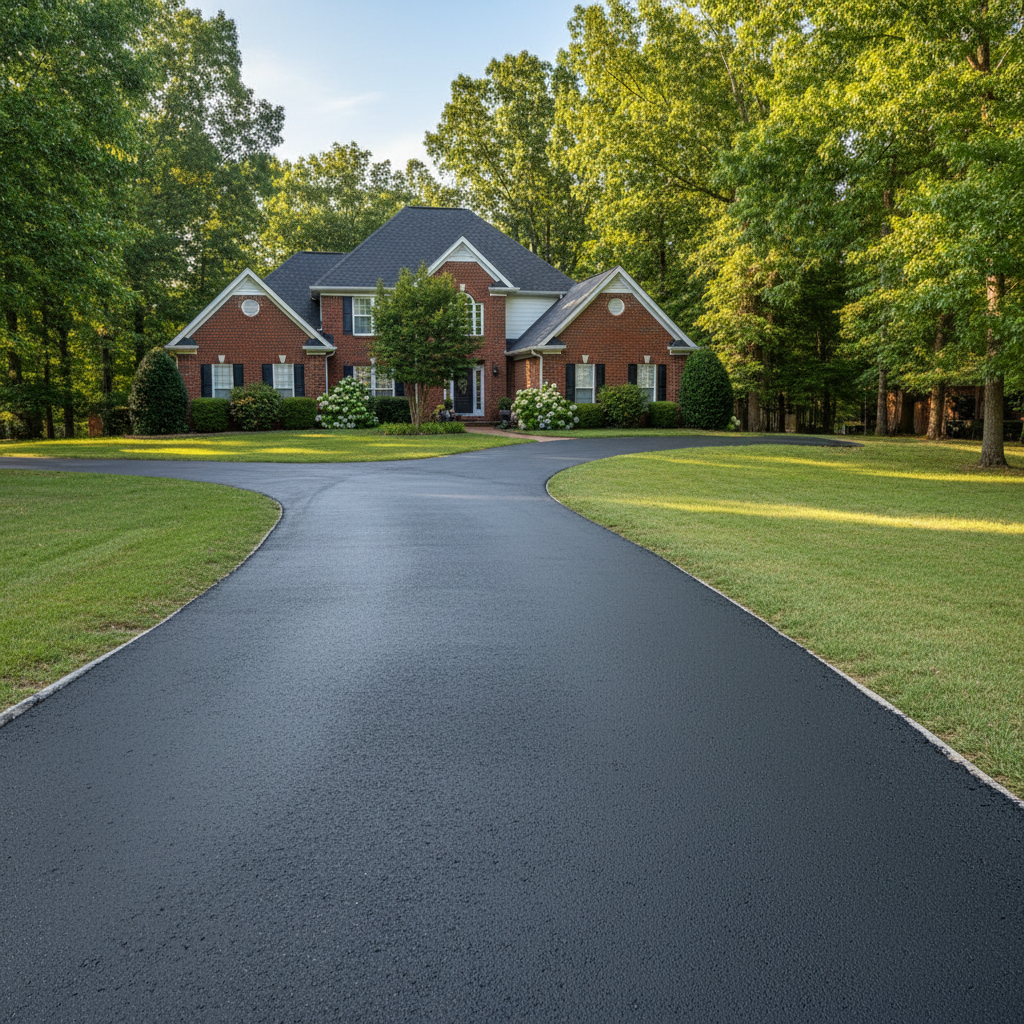
Slurry Coating is one of the best ways to protect an asphalt surface, but the job does not end once the crew rolls out. If you have recently had a fresh coat applied to your driveway or commercial lot in Fort Smith, Arkansas, you need a simple maintenance routine to make that Slurry Coating last. Here in Fort Smith, our weather swings from baking summer heat that softens asphalt to freezing winter snaps that test every inch of material. Coupled with local clay and silt loam soils that shift underneath, your pavement takes a beating.
Premiere Paving Solutions has put together what you need to know to keep your surface looking sharp and performing right.
How to Extend the Life of Your Slurry Coat
You can add years to a slurry-coated surface just by staying proactive with everyday habits. Avoid sharp, stationary wheel turns in your vehicle, especially when July and August temperatures peak around the River Valley and bake the asphalt. Those twisting tires can shear the top layer right off. Keep heavy commercial trucks off residential surfaces, and make sure roof runoff is not pooling directly onto your pavement edges.
Premiere Paving Solutions always tells property owners that simple housekeeping goes a long way. Keep organic debris like wet leaves and pine needles from piling up and rotting on the surface. That organic matter holds moisture, and moisture is the enemy of asphalt binders used in Slurry Coating.
What Regular Maintenance Looks Like
Taking care of a Slurry Coating is not a full-time job, but it does require attention a few times a year.
- Wash away oil and chemical spills with a mild degreaser before they break down the binder.
- Inspect the edges where your asphalt meets grass or concrete to make sure grass is not encroaching and tearing it apart from the side.
- Keep an eye on minor cracks and seal them immediately with rubberized crack filler before water gets underneath.
Warning Signs of Pavement Trouble
Catching problems early saves you from paying for a full repaving job down the road. Property owners will want to watch out for fading color, which means the surface binder is oxidizing under the intense Arkansas sun. If you start seeing hairline cracks webbed across high-traffic zones, or if sections of the slurry begin flaking off, your protective layer is wearing thin. Standing water that lingers for more than a day after a heavy storm is another red flag, as it usually points to shifting sub-base issues caused by local clay soils.
When to Call a Professional
Some minor touch-ups are fine to handle on a Saturday afternoon, but structural failures require a contractor. Call in the pros at Premiere Paving Solutions if you notice alligator cracking spreading across large sections, or if depressions and potholes start forming where the base has washed out. When your Slurry Coating has worn down to the bare aggregate underneath, it is time to bring in equipment and material for a fresh application rather than trying to patch it yourself.