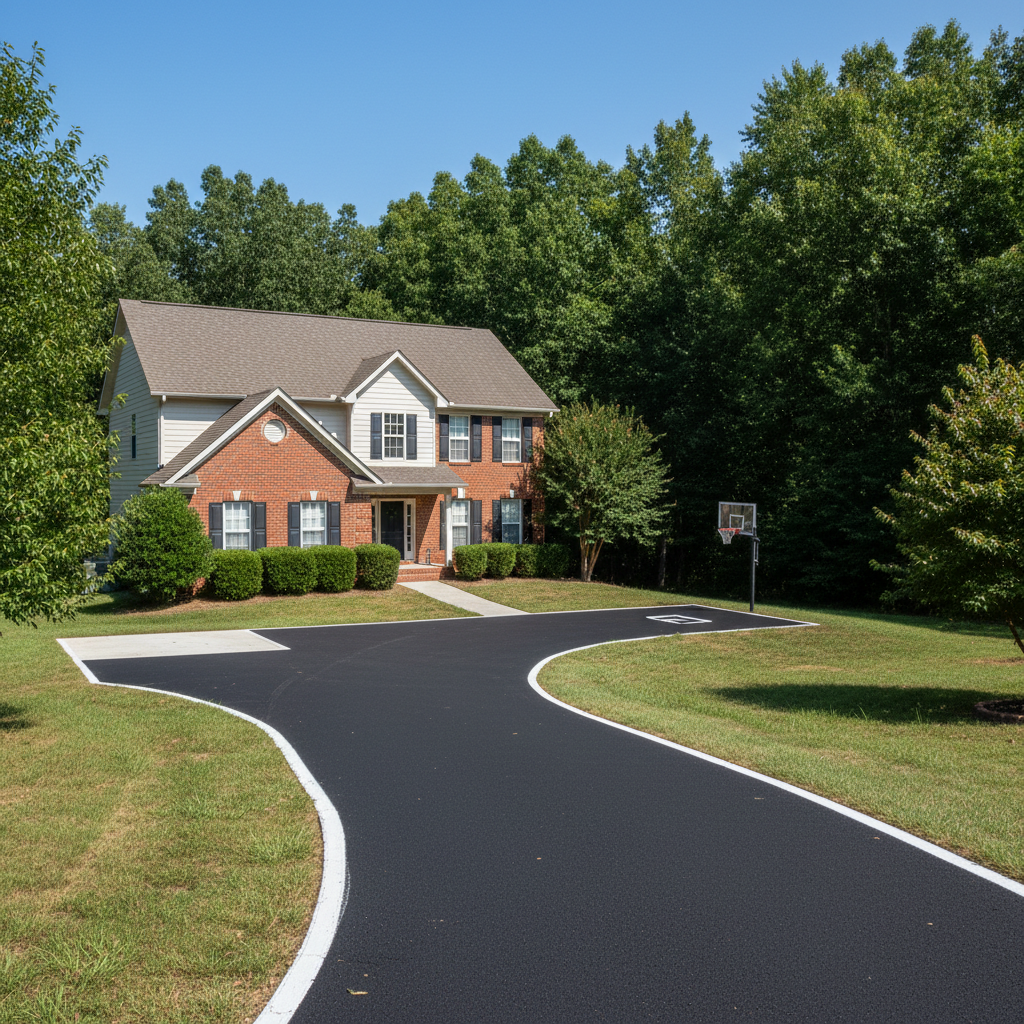
Thinking about getting your asphalt striped? Maybe it's a new driveway, or your old parking lot lines have just faded away. Whatever the reason, you've got some planning to do if you want it done right the first time. Honestly, I see a lot of folks jump into these projects without really knowing what's involved, and that's when problems pop up. So, let's talk about how to tackle this.
Understanding Your Striping Project's Timeline
So, how long does this whole striping thing actually take? It's usually not a super long process, but there are a few moving parts. First off, you've got to consider the weather. Here in Fort Smith, we get some pretty humid summers, and those afternoon thunderstorms can appear out of nowhere. You can't stripe on wet asphalt, and you need a good window of dry weather for the paint to cure properly. That means picking your dates carefully, right?
Then there's the contractor's schedule. Good contractors are busy, especially during peak season. You'll want to reach out a few weeks, maybe even a month or two, in advance to get on their books. Once the crew is on site, the actual striping often only takes a day or two for most residential driveways or smaller commercial lots. Larger projects, like a big shopping center parking lot, will obviously take longer. After the paint is down, you'll need to give it time to cure. We usually recommend staying off it for at least 24 hours, sometimes longer if it's a cooler or more humid day. It's not a race; patience really pays off here.
What Happens During the Striping Process?
When the crew shows up, they'll usually start by cleaning the surface. This step is critical. Any dirt, loose gravel, or debris will mess with how the paint sticks and make your lines look sloppy. They might use blowers, brooms, or even power washers if there's a lot of gunk. If your asphalt is brand new, they'll often wait a few weeks or even months before striping to let the asphalt cure completely. Trying to stripe fresh asphalt is a recipe for paint not sticking right, trust me.
Next, they'll lay out the design. This involves measuring and chalking lines or using string to get everything straight and spaced correctly. This is where precision really matters. You don't want crooked parking spaces or lines that just don't make sense. Once the layout is approved (you should be there for this, or at least have a clear plan agreed upon), they'll start putting down the paint. We use specialized striping machines that apply the paint evenly and consistently. For some projects, especially those with specific symbols like handicap logos or arrows, they'll use stencils.
After the paint is down, the crew will typically barricade the area or put up cones to keep traffic off the fresh lines. Like I said, don't drive on it too soon. It's not just about smudging; the paint needs to harden properly to be durable.
How to Get Your Property Ready for Striping
Getting your property ready isn't rocket science, but it makes a big difference for the crew and the final result. Here's what you need to do:
- Clear the area: Move any vehicles, trailers, trash cans, planters, or anything else that's on or near the asphalt surface. The crew needs a completely clear workspace.
- Trim vegetation: If you've got bushes or tree branches hanging over the edges of your driveway or parking lot, trim them back. They can get in the way of the striping equipment and make it hard to get clean lines.
- Mark sprinkler heads: If you have in-ground sprinkler heads near the edge of the asphalt, mark them with flags or brightly colored tape. This helps prevent accidental damage from equipment.
- Communicate: Make sure you've talked through the exact layout and any special instructions with your contractor beforehand. Don't assume they know what you want.
A little preparation on your end helps us get in, do the job efficiently, and get out, leaving you with a great-looking surface.
Key Questions to Ask Before You Sign a Contract
Before you commit to anyone, you've got to ask the right questions. This protects you and ensures you're getting a quality job. Don't be shy:
- What type of paint do you use? There are different kinds of traffic paint, some more durable than others. You want a high-quality, long-lasting paint that can stand up to our Fort Smith weather and traffic.
- What's your process for surface preparation? Make sure they're not just going to show up and start painting over dirt. A good contractor will clean the surface thoroughly.
- How long do I need to stay off the striped area? Get a clear answer on cure times.
- Do you provide a written warranty for your work? A reputable company like Premiere Paving Solutions stands behind their work. Understand what's covered and for how long.
- Can you provide references or examples of similar striping projects you've done? Seeing their past work can give you confidence.
- What's the total cost, and what's included? Get a detailed quote that breaks down materials, labor, and any other fees. Make sure there are no hidden surprises.
- Are you licensed and insured? This is a big one. You don't want to be liable if something goes wrong on your property.
Asking these questions upfront can save you a lot of headaches down the road. You're investing in your property, so make sure you're getting a professional job from a trustworthy company.